 Petola

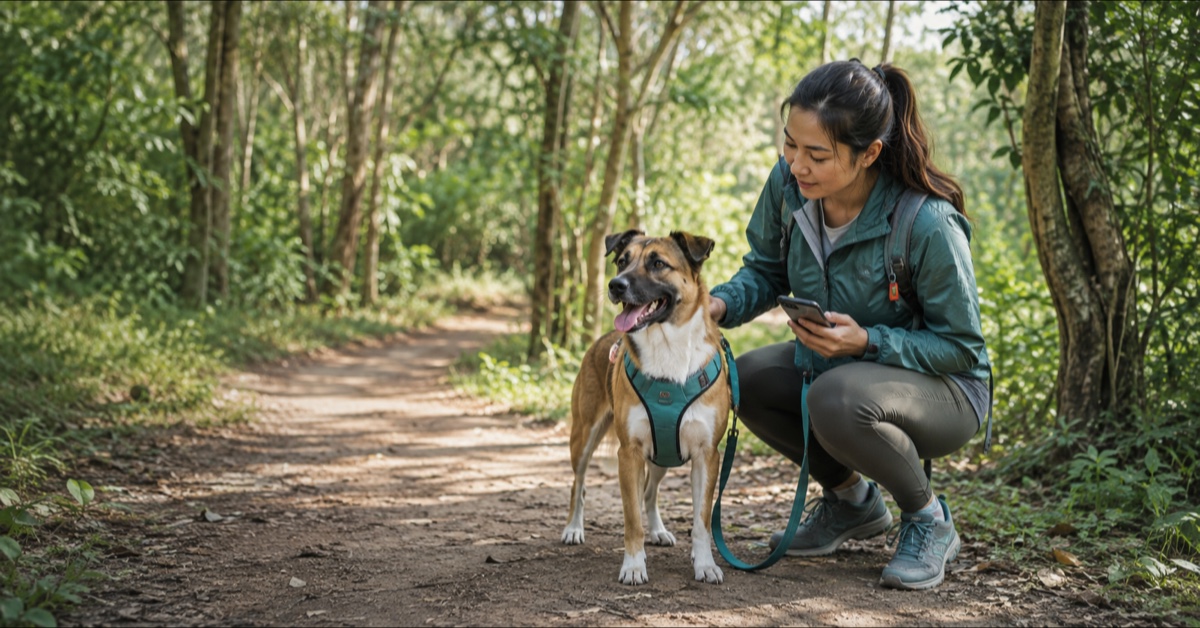
Want to take your dog on a hike but not sure where to begin? The best preparation is not the longest shopping list. It is choosing a day and route that fit your dog's body, behaviour and experience and knowing when to turn back.
Check that your dog is fit for the activity, pets are allowed, conditions are cool enough, and you have enough water plus an emergency plan. Postpone the trip if any one of those is missing.
1. Decide whether your dog is ready
A dog who happily walks around the neighbourhood may not be ready for several hours of heat, slopes, rocks and unfamiliar stimulation. Puppies, seniors, flat-faced breeds and dogs with joint, heart, breathing or other medical conditions need particular care. Ask your veterinarian what distance, temperature and terrain are reasonable.
Build up gradually
Start with 20-30 minutes on easy ground and increase time and elevation slowly. Watch how your dog recovers later that day and the next morning. Limping, reluctance to rise or persistent paw licking means the previous outing may have been too much.
2. Choose the route from current information
Confirm on the destination's official channel that dogs are permitted, what leash rules apply and whether the trail is open. Check shade, distance, elevation, weather, water availability and how quickly you can return to the car. For a first hike, a short loop with a clear turnaround point is the better test.
Save your regular veterinarian and the nearest emergency hospital, download an offline map and tell someone your route and expected return time. Keep medication, allergy and health information available offline.
3. Pack the twelve essentials
- Well-fitted harnessSecure without restricting movement
- Strong fixed leashEasy control on narrow sections
- Clean drinking waterEnough for delays on the return
- Collapsible bowlNo need to rely on streams
- Known food or treatsAvoid brand-new food on the trail
- Waste bagsPack everything out
- First-aid suppliesGauze, saline, tape and gloves
- Regular medicationClearly labelled dose and timing
- Small towelFor paws, mud and rest
- ID and phone numberAttached to current gear
- Light or reflectorIn case the return runs late
- Health summaryVaccines, conditions and allergies
Ask your veterinarian what first-aid supplies suit your dog. Never give human medication or try a new medicine during the trip without veterinary advice.
4. Watch for changes while walking
Dogs may keep following even when uncomfortable. Compare what you see with your dog's normal behaviour: heavier panting, a long flattened tongue, thick saliva, shade seeking, slowing down, reduced response or repeatedly lying down are all reasons to stop and reassess.
Heavy or unusual panting, thick drool, weakness, poor coordination, confusion, vomiting, diarrhoea, very red or pale gums, collapse or seizures can accompany dangerous overheating. Move your dog into shade or a cool space and contact a veterinary hospital immediately. Do not use ice or very cold water.
5. Keep control around water and wildlife
The CDC advises keeping pets supervised and leashed, avoiding contact with stray or wild animals and not allowing pets to swim in or drink stagnant, discoloured, foamy or foul-smelling water. Carrying clean water gives you far more control than relying on a natural source.
6. Check paws, skin and behaviour after the trail
Inspect paw pads, nails and between the toes for cuts, thorns and swelling. Run your hands through the coat and check around the ears, eyelids, collar, front legs, back legs, tail and toes for ticks. The CDC recommends checking pets daily, especially after time outdoors.
Monitor water intake, appetite, movement, bowel habits and behaviour over the next 24-48 hours. Contact your veterinarian if you notice lethargy, limping, breathing changes, vomiting, diarrhoea or anything else that concerns you.
7. Keep the plan and health context in Petola
Before the trip, keep medication, vaccine, appointment and condition information together in Petola, then share the same preparation list with everyone helping. You can also start with Petola's pet care place search when planning veterinary options near your route.
Afterwards, log distance, conditions, paw photos or symptoms. The next outing can be planned from your dog's own history instead of memory alone.
Frequently asked questions
How old should a dog be before hiking?
There is no single age for every dog. Ask your veterinarian to assess readiness based on breed, size, health and trail demands, especially for puppies, senior dogs and dogs with health conditions.
How often should I offer water?
Offer clean water during regular breaks before your dog becomes intensely thirsty. Frequency depends on temperature, humidity, effort, size and health. Do not let your dog drink stagnant or visibly unusual water.
What should I check after a hike?
Inspect the ears, eyelids, collar area, armpits, groin, tail and toes for ticks. Check paws, nails, cuts and swelling, then monitor appetite, drinking, movement and behaviour.
Sources
- CDC: Pet Travel Safety
- CDC: Preventing Ticks on Pets
- AAHA: Heatstroke in Pets
- AVMA: Traveling with your Pet
This guide provides general information and does not replace an examination, diagnosis or personalised advice from a veterinarian. Contact an emergency veterinary hospital if your pet is in distress.